Introduction
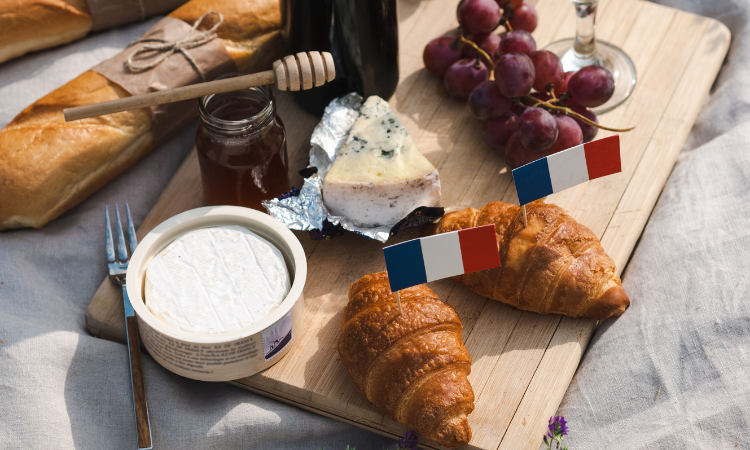
Paris is more than a city of iconic landmarks—it’s one of the world’s most celebrated food capitals. Every neighborhood offers a different culinary experience, from family-run bakeries serving warm croissants at sunrise to elegant Michelin-starred restaurants showcasing modern interpretations of classic French cuisine. Cozy cafés, bustling food markets, traditional bistros, and renowned pastry shops all contribute to a dining scene that attracts millions of food lovers each year.
The city’s rich culinary culture is built on fresh, high-quality ingredients and recipes passed down through generations. Visitors can enjoy flaky pastries with freshly brewed coffee, sample artisan cheese paired with regional wine, or savor hearty dishes that have become symbols of French gastronomy. Whether you’re dining at a neighborhood bistro or exploring a local market, every meal offers a chance to experience authentic Parisian traditions.
If you’re searching for the best food in Paris, this guide will help you discover the city’s most iconic dishes, where to find authentic versions, typical prices, and practical tips for making the most of every meal. From buttery breakfasts and comforting classics to elegant desserts and local specialties, you’ll learn exactly what to eat and where to enjoy it during your visit to the French capital.
Quick Answer Box
What is the best food in Paris?
The best food in Paris includes a mix of iconic French classics, comforting bistro dishes, and world-famous desserts. If you’re visiting for the first time, don’t miss these must-try specialties:
- Croissant
- Baguette
- French Onion Soup
- Steak Frites
- Escargots
- Boeuf Bourguignon
- Duck Confit
- Crêpes
- Macarons
- Croque Monsieur
These dishes represent the heart of Parisian cuisine and can be enjoyed in bakeries, cafés, traditional bistros, and fine-dining restaurants throughout the city.
Quick Comparison Table
| Food | Best For | Average Price | Where to Try | Meal Type |
| Croissant | Breakfast lovers | €2–€4 | Traditional bakeries | Breakfast |
| Baguette | Everyday snacks | €1–€3 | Local boulangeries | Breakfast/Snack |
| French Onion Soup | Classic French cuisine | €10–€16 | Traditional bistros | Lunch/Dinner |
| Steak Frites | Meat lovers | €20–€40 | Paris brasseries | Lunch/Dinner |
| Escargots | Adventurous foodies | €12–€25 | Authentic French restaurants | Appetizer |
| Boeuf Bourguignon | Comfort food fans | €18–€35 | Classic bistros | Dinner |
| Duck Confit | Gourmet travelers | €20–€35 | Regional French restaurants | Dinner |
| Crêpes | Street food lovers | €4–€10 | Crêperies and street stalls | Snack/Dessert |
| Macarons | Dessert enthusiasts | €2–€4 each | Luxury pâtisseries | Dessert |
| Croque Monsieur | Casual diners | €8–€15 | Paris cafés and brasseries | Breakfast/Lunch |
BOOK A FLIGHT TO DISCOVER PARIS GASTRONOMY HERE
BOOK A CAR TO YOUR RESTAURANT IN PARIS HERE
The 10 Best Foods in Paris
1. Croissant
Overview
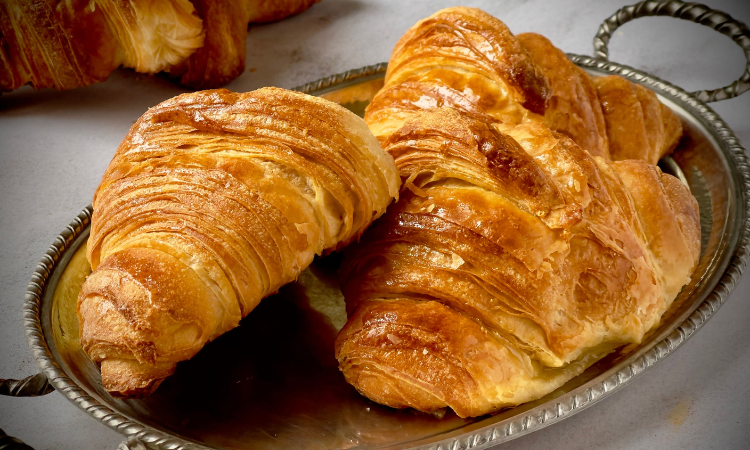
The croissant is one of the most famous symbols of Parisian food culture. This golden, crescent-shaped pastry is made with laminated dough and generous layers of butter, creating a crisp exterior and a soft, airy center. Although enjoyed throughout France, Paris remains one of the best places to experience an authentic, freshly baked croissant from a traditional boulangerie.
Why You Should Try It
A classic French breakfast is incomplete without a warm croissant paired with coffee. Its delicate texture and rich buttery flavor represent the skill and attention to detail behind French pastry-making. Trying a fresh croissant in Paris allows visitors to experience an everyday local tradition rather than just a tourist attraction.
Best Places to Eat It
Try croissants at respected Parisian bakeries such as Du Pain et des Idées, Maison d’Isabelle, Mamiche, or a highly rated neighborhood boulangerie away from major tourist areas.
Average Price
€2–€4 per croissant.
Best Time to Eat It
Early morning is ideal, usually between 7 a.m. and 10 a.m., when bakeries serve their freshest batches.
Insider Tip
Look for bakeries with a long local queue rather than those closest to famous attractions. Freshness matters more than the bakery’s appearance.
Pros
- Affordable and widely available
- Perfect introduction to French cuisine
- Best enjoyed fresh from the oven
Cons
- Quality differs between bakeries
- Loses texture after sitting for several hours
READ ALSO THE Best Restaurants in Paris (top 10)
READ ALSO THE Best Chinese Food: 10 Must-Try Dishes
2. Baguette
Overview
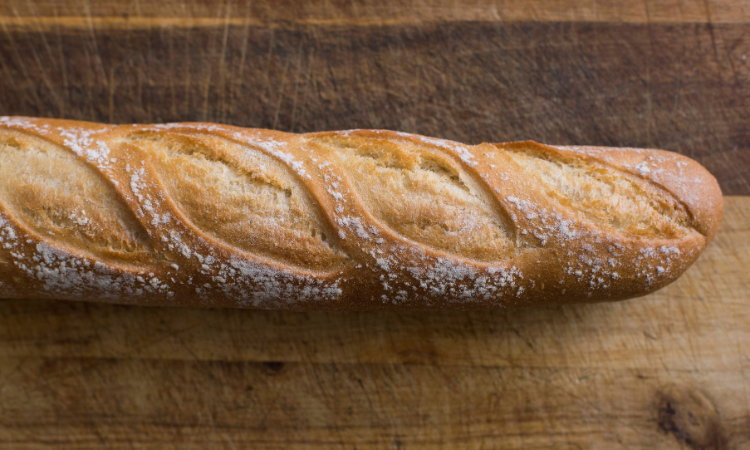
The baguette is a fundamental part of daily life in Paris and one of the most recognizable foods in France. With its crunchy golden crust and soft, chewy interior, this simple bread represents the importance of craftsmanship in French baking. Many Parisians still visit their local bakery every day to purchase a fresh loaf.
Why You Should Try It
The baguette proves that simple ingredients can create an unforgettable food experience. It can be enjoyed alone, paired with French cheese, used for sandwiches, or served alongside traditional meals. Sampling a freshly baked baguette is one of the easiest ways to experience authentic Parisian culture.
Best Places to Eat It
Some excellent places to try a traditional baguette include Le Grenier à Pain, Boulangerie Utopie, Poilâne, and independent artisan bakeries throughout Paris.
Average Price
€1–€3 per baguette.
Best Time to Eat It
Morning or lunchtime is best, as bakeries often produce fresh baguettes several times daily.
Insider Tip
Choose a baguette labeled “Tradition” because it follows strict French baking standards and usually offers better flavor and texture.
Pros
- Very affordable
- Easy to find everywhere in Paris
- Represents authentic French daily life
Cons
- Best eaten fresh on the same day
- Tourist-area bakeries may charge more
READ ALSO THE BEST PLACES TO VISIT IN PARIS HERE
3. French Onion Soup
Overview
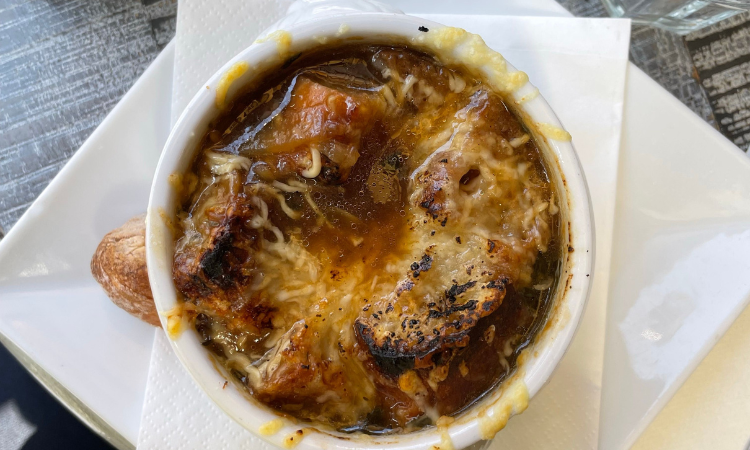
French Onion Soup is a classic Parisian comfort dish made with slowly caramelized onions, rich broth, toasted bread, and melted Gruyère cheese. Once considered a simple meal for workers, it has become one of France’s most beloved traditional dishes and remains a popular choice in historic Parisian bistros.
Why You Should Try It
This dish highlights the creativity of French cuisine by transforming basic ingredients into a deeply flavorful meal. The sweetness of caramelized onions combined with savory broth and melted cheese creates a warm, satisfying experience, especially after a long day exploring Paris.
Best Places to Eat It
Enjoy authentic versions at traditional restaurants such as Au Pied de Cochon, La Jacobine, Bouillon Chartier, and classic French brasseries.
Average Price
€10–€16 per bowl.
Best Time to Eat It
French Onion Soup is best enjoyed during lunch or dinner, especially in autumn and winter when the weather is cooler.
Insider Tip
Choose a restaurant known for traditional French cooking rather than tourist-focused menus. A properly prepared version should have deeply caramelized onions and a generous layer of melted cheese.
Pros
- Classic French comfort food
- Filling and flavorful
- Available in many traditional restaurants
Cons
- Usually contains meat-based broth
- Can feel heavy during hot summer days
4. Steak Frites
Overview
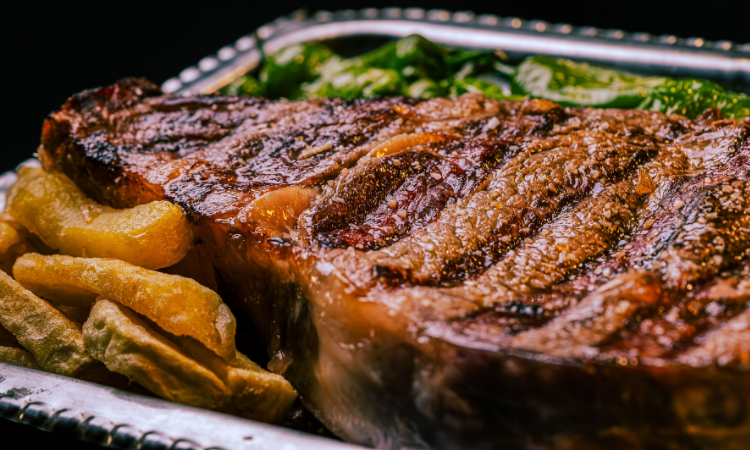
Steak Frites is one of the most popular comfort foods in Paris, combining a perfectly cooked steak with a generous serving of crispy French fries. This classic dish can be found in traditional Parisian brasseries and bistros, where simple ingredients are transformed into a satisfying meal. While recipes vary, many restaurants serve it with sauces such as pepper sauce, béarnaise, or herb butter.
Why You Should Try It
Steak Frites represents the relaxed side of French dining. Unlike elaborate fine-dining dishes, it reflects everyday Parisian cuisine and is enjoyed by both locals and visitors. It is an excellent choice for travelers who want to experience authentic French flavors without spending on an expensive tasting menu.
Best Places to Eat It
Popular places to enjoy Steak Frites include traditional brasseries like Le Relais de l’Entrecôte, Bouillon Pigalle, and classic neighborhood bistros throughout Paris.
Average Price
€20–€40 per serving.
Best Time to Eat It
Best enjoyed for lunch or dinner, especially after exploring the city’s museums and attractions.
Insider Tip
Many Paris restaurants offer different steak cuts. Ask about the recommended cooking style and sauce pairing to get the best experience.
Pros
- Classic French comfort food
- Easy to find across Paris
- Great value compared with fine dining
Cons
- Quality depends heavily on the restaurant
- Not ideal for vegetarians
READ ASLO THE BEST PLACES TO VISIT IN FRANCE HERE
5. Escargots
Overview
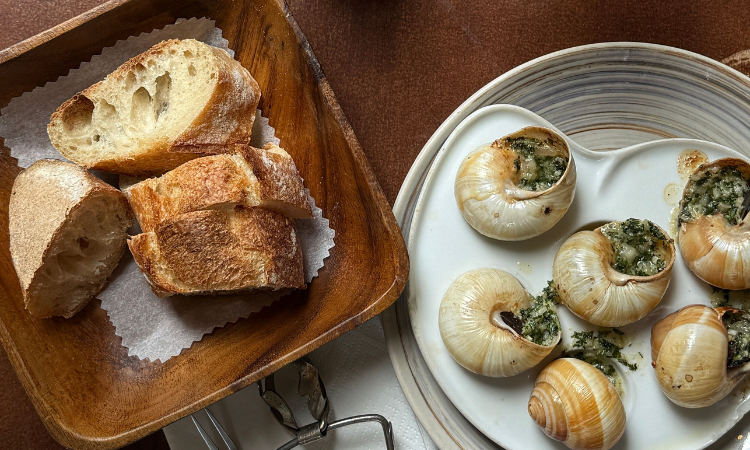
Escargots, or French snails, are among the most famous dishes associated with French cuisine. In Paris, they are traditionally prepared with garlic, parsley, and butter, creating a rich and aromatic appetizer. Although they may seem unusual to first-time visitors, escargots have been enjoyed in France for centuries and remain a popular choice in traditional restaurants.
Why You Should Try It
Trying escargots offers a chance to experience an authentic part of French culinary history. The flavor is much milder than many travelers expect, with the garlic butter often becoming the highlight of the dish. It is a memorable food experience for adventurous travelers interested in exploring beyond familiar meals.
Best Places to Eat It
Excellent places to try escargots include L’Escargot Montorgueil, Le Procope, and classic French restaurants serving traditional cuisine.
Average Price
€12–€25 for a serving, usually six or twelve pieces.
Best Time to Eat It
Typically enjoyed as an appetizer during lunch or dinner.
Insider Tip
Do not judge the dish by appearance. Use the provided small fork and focus on the garlic butter sauce, which is an essential part of the experience.
Pros
- Unique French dining experience
- Rich garlic butter flavor
- Popular traditional appetizer
Cons
- Not suitable for everyone
- May feel unfamiliar for first-time visitors
6. Boeuf Bourguignon
Overview
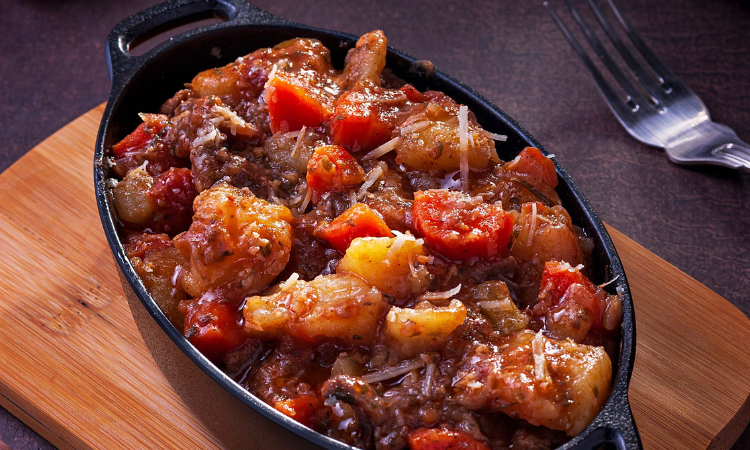
Boeuf Bourguignon is a traditional French beef stew made by slowly cooking beef with red wine, onions, carrots, mushrooms, and herbs. Originally from Burgundy, this hearty dish has become a favorite throughout Parisian restaurants. The long cooking process creates tender meat and a deep, complex sauce that represents the patience and craftsmanship of French home-style cooking.
Why You Should Try It
This dish is one of the best examples of classic French comfort food. Unlike quick meals, Boeuf Bourguignon develops its flavor through slow preparation, making it a satisfying choice for travelers who want to taste traditional French cuisine with regional roots.
Best Places to Eat It
Try authentic versions at traditional bistros such as Le Comptoir du Relais, Chez Denise, Bistrot Paul Bert, and historic French restaurants.
Average Price
€18–€35 per serving.
Best Time to Eat It
Ideal during lunch or dinner, particularly in autumn and winter when hearty dishes are most enjoyable.
Insider Tip
Pair it with a glass of French red wine from Burgundy or another regional variety to experience the traditional combination.
Pros
- Deep, rich flavors
- Authentic French comfort food
- Perfect for cooler weather
Cons
- Requires a long cooking process, so quality varies
- Can feel heavy during summer months
BOOK A CAR TO YOUR RESTAURANT IN PARIS HERE
7. Duck Confit
Overview
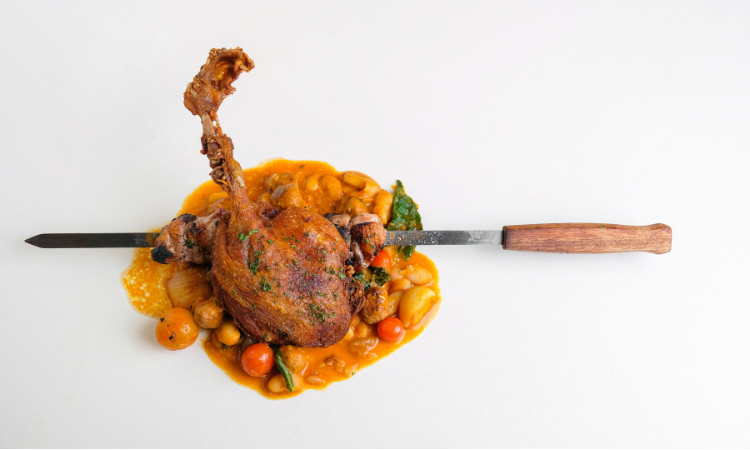
Duck Confit is a traditional French dish known for its rich flavor and tender texture. Originally from southwestern France, this specialty is prepared by slowly cooking duck legs in their own fat until the meat becomes incredibly soft while the skin develops a golden, crispy finish. In Paris, many traditional restaurants serve Duck Confit as a classic example of authentic French cuisine.
Why You Should Try It
Duck Confit is a must-try for travelers who want to experience deeper flavors beyond everyday French dishes. The slow-cooking technique creates a unique combination of crispy skin and tender meat, often served with potatoes, salad, or seasonal vegetables. It represents the patience and craftsmanship that define traditional French cooking.
Best Places to Eat It
Try Duck Confit at classic French restaurants such as Le Petit Canard, Chez Dumonet, Le Comptoir de la Gastronomie, and traditional southwestern French bistros in Paris.
Average Price
€20–€35 per serving.
Best Time to Eat It
Best enjoyed during lunch or dinner, especially during autumn and winter.
Insider Tip
Pair Duck Confit with a French red wine to balance the richness of the dish and enhance the flavors.
Pros
- Rich and authentic French flavor
- Tender, perfectly cooked meat
- A great introduction to regional French cuisine
Cons
- Heavy compared with lighter Parisian dishes
- Not suitable for vegetarians
8. Crêpes
Overview
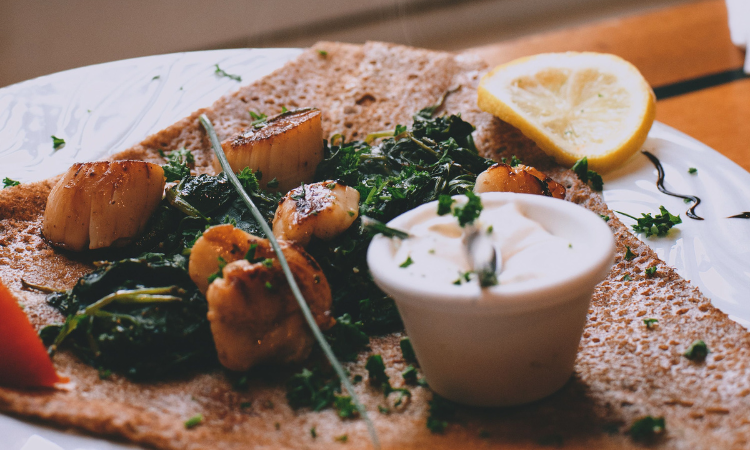
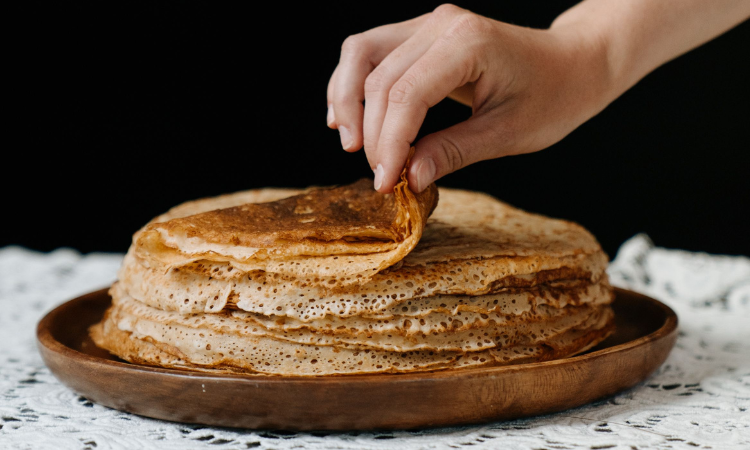
Crêpes are one of the most popular and accessible foods in Paris. These thin French pancakes can be enjoyed in both sweet and savory versions, making them suitable for breakfast, snacks, desserts, or even a casual meal. Sweet crêpes often include ingredients such as sugar, chocolate, fruit, or caramel, while savory versions called “galettes” are usually made with buckwheat flour.
Why You Should Try It
Crêpes offer a simple yet delicious way to experience everyday French food culture. They are affordable, easy to find, and enjoyed by locals and visitors alike. Whether you want a quick street-side snack or a relaxed meal in a traditional crêperie, crêpes are a Paris food experience that suits every traveler.
Best Places to Eat It
Great places to try authentic crêpes include Crêperie Bretonne Fleurie, La Crêperie de Josselin, and traditional Breton-style crêperies around Paris.
Average Price
€4–€10 for sweet crêpes; €8–€18 for savory galettes.
Best Time to Eat It
Perfect for breakfast, afternoon snacks, or a casual dinner.
Insider Tip
Try a savory buckwheat galette before ordering a sweet crêpe for dessert. This is the traditional Breton way to enjoy them.
Pros
- Affordable and widely available
- Great for families and picky eaters
- Many sweet and savory options
Cons
- Tourist areas may offer lower-quality versions
- Popular crêperies can have long waiting times
9. Macarons
Overview
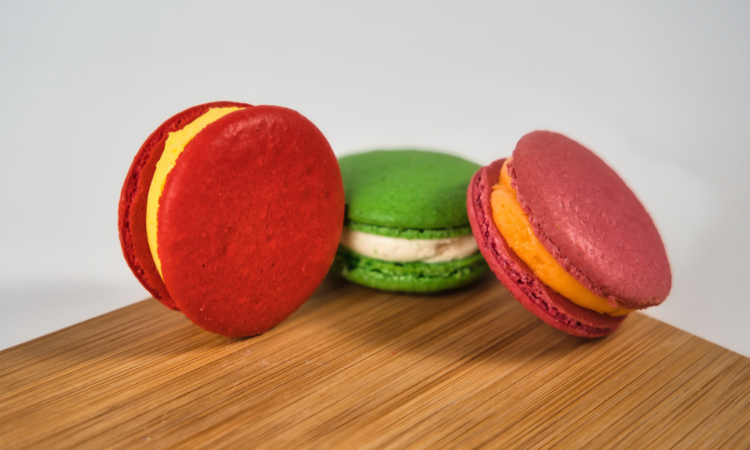
Macarons are among the most famous French desserts and one of the most recognizable treats from Paris. These colorful almond-based pastries feature two delicate shells joined with a creamy filling such as chocolate, vanilla, pistachio, or raspberry. Parisian pastry chefs have elevated macarons into a symbol of French elegance and craftsmanship.
Why You Should Try It
Macarons provide a unique combination of textures, with a crisp outer shell and a soft, flavorful center. They are perfect for travelers looking for a small but memorable taste of Parisian pastry culture. They also make excellent souvenirs because they are beautifully presented and easy to share.
Best Places to Eat It
Visit famous pastry houses such as Ladurée, Pierre Hermé, Carette, and other respected Parisian pâtisseries.
Average Price
€2–€4 per macaron; gift boxes usually cost €15–€50 depending on size.
Best Time to Eat It
Enjoy them as an afternoon treat with coffee or tea.
Insider Tip
Buy macarons from specialty pastry shops rather than souvenir stores. Freshness and craftsmanship make a noticeable difference.
Pros
- Iconic Parisian dessert
- Perfect gift or souvenir
- Available in many flavors
Cons
- More expensive than everyday pastries
- Delicate and easy to damage when traveling
10. Croque Monsieur
Overview
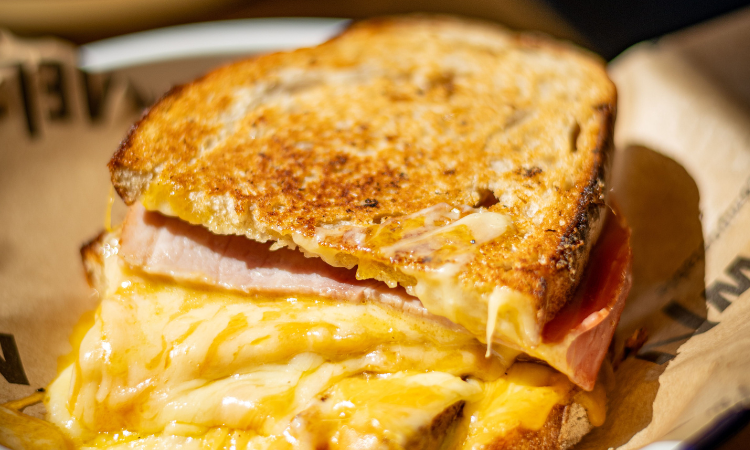
Croque Monsieur is a classic French café dish made with toasted bread, ham, and melted cheese, often topped with béchamel sauce. Similar to a gourmet grilled cheese sandwich, this simple yet satisfying meal has been a favorite in Paris cafés and brasseries for decades. A variation with a fried egg on top is known as Croque Madame.
Why You Should Try It
Croque Monsieur is one of the easiest ways to experience everyday Parisian dining. It is comforting, flavorful, and commonly enjoyed by locals as a quick lunch or café meal. For travelers who want something traditional without committing to a long restaurant experience, it is an excellent choice.
Best Places to Eat It
Find great versions at Paris cafés, brasseries, and traditional spots such as Café de Flore, Les Deux Magots, and neighborhood cafés throughout the city.
Average Price
€8–€15.
Best Time to Eat It
Ideal for breakfast, brunch, or lunch.
Insider Tip
Order a Croque Madame if you want a richer version topped with a fried egg.
Pros
- Affordable and filling
- Easy to find across Paris
- Great casual French meal
Cons
- Can be heavy due to cheese and béchamel
- Less suitable for dairy-free travelers
Where to Eat the Best Food in Paris
Paris offers countless ways to experience its famous culinary culture, from historic bistros to modern restaurants and charming neighborhood bakeries. Choosing where to eat depends on your budget, interests, and travel style.
Traditional French Bistros are ideal for travelers who want classic dishes such as steak frites, French onion soup, and boeuf bourguignon. Expect to spend around €20–€40 per person. The best neighborhoods to explore include Le Marais, Saint-Germain-des-Prés, and the Latin Quarter. Popular bistros often fill quickly, so booking a table in advance is recommended.
Fine Dining Restaurants showcase the creativity of French cuisine through tasting menus, seasonal ingredients, and exceptional service. Prices usually start around €80–€200+ per person. Areas such as the 1st arrondissement, Champs-Élysées, and the Eiffel Tower district have many luxury dining options. Reservations are essential, especially for Michelin-starred restaurants.
Budget Restaurants allow visitors to enjoy delicious Paris food without overspending. Meals typically cost €10–€20 per person, with good options found in neighborhoods like Belleville, Montmartre, and the Latin Quarter. Look for daily menus called “formule” or “menu du jour” for better value.
Local Cafés are perfect for experiencing everyday Parisian life. Enjoy coffee, croissants, sandwiches, or light meals for around €5–€20. Neighborhood cafés away from major tourist attractions often provide a more authentic atmosphere.
Bakeries are essential stops for fresh croissants, baguettes, pain au chocolat, and pastries. Most items cost between €1–€5. Visit local boulangeries in residential areas early in the morning for the freshest products.
Street Food offers quick and affordable options such as crêpes, falafel, sandwiches, and international dishes. Prices generally range from €5–€15, with popular choices found around Le Marais and food markets.
Best Food Markets in Paris
Paris food markets provide an excellent opportunity to taste local products and experience daily French life.
Marché Bastille is one of the city’s largest markets, offering fresh fruits, vegetables, cheeses, seafood, and prepared foods. It is a great place to sample local specialties while exploring the neighborhood.
Marché d’Aligre combines traditional market stalls with affordable prices. Visitors can find fresh produce, cheeses, spices, and regional products, making it a favorite among locals.
Rue Cler Market is known for its charming pedestrian street filled with gourmet shops, bakeries, cheese stores, and cafés. It is perfect for travelers seeking high-quality French ingredients.
Marché des Enfants Rouges is Paris’s oldest covered market and a great spot for ready-to-eat meals, including French, Moroccan, Japanese, and Mediterranean dishes.
For budget travelers, visiting markets near closing time can sometimes offer better deals, while buying seasonal products usually provides the best value.
How to Choose the Best Food Experience in Paris
First-time visitors should focus on classic dishes like croissants, baguettes, steak frites, and French onion soup at traditional restaurants.
Couples may prefer romantic cafés, wine bars, and fine-dining experiences with intimate settings.
Families should choose casual restaurants, bakeries, and markets where children can enjoy simple foods like crêpes and pastries.
Solo travelers can easily explore cafés, food markets, and small bistros without needing reservations.
Luxury travelers should consider Michelin-starred restaurants and gourmet experiences.
Budget travelers can enjoy excellent meals through bakeries, market stalls, and affordable daily menus.
Vegetarians will find increasing options in modern cafés and restaurants across Paris.
Dessert lovers should prioritize pastry shops offering macarons, éclairs, and French chocolates.
Street food enthusiasts should explore markets and neighborhoods known for diverse, affordable food experiences.
Essential Paris Dining Tips
Exploring the best food in Paris becomes easier when you understand local dining habits. French restaurants value politeness and tradition, so always greet staff with “Bonjour” when entering. During meals, take your time, as dining is often viewed as a social experience rather than a quick activity.
Restaurant etiquette is simple but important. Avoid rushing your meal, keep conversations at a comfortable volume, and remember that dinner is usually enjoyed slowly. In many traditional restaurants, the waiter may not bring the bill until you request it, so simply ask for “l’addition, s’il vous plaît.”
Tipping is not mandatory because service is usually included in the bill. However, leaving a small amount or rounding up the bill is appreciated for excellent service.
Meal times in Paris are different from many countries. Lunch is typically between noon and 2 p.m., while dinner often starts after 7 p.m. Many restaurants close between afternoon and evening service, so plan accordingly.
Booking restaurants in advance is recommended for popular bistros, fine-dining restaurants, and Michelin-starred establishments. For casual cafés and bakeries, reservations are usually unnecessary.
Travelers with food allergies should communicate clearly. Learning phrases such as “Je suis allergique à…” can help, and carrying allergy information translated into French is useful.
Paris has many vegetarian options, especially in modern cafés and restaurants. Look for plant-based menus, vegetarian cafés, and markets offering fresh produce.
For wine recommendations, ask the server for suggestions based on your meal. French wines from regions like Burgundy, Bordeaux, and Loire Valley pair beautifully with local dishes.
To avoid tourist traps, check menus before entering restaurants near major attractions, avoid places with aggressive street promoters, and choose restaurants filled with local customers.
What Food Lovers Should Pack
A food-focused trip to Paris involves plenty of walking, market visits, and exploring different neighborhoods, so packing the right essentials improves the experience.
Comfortable walking shoes are essential because discovering bakeries, cafés, and food markets often means walking several kilometers daily.
A reusable water bottle helps you stay hydrated while exploring the city and reduces unnecessary plastic waste.
A portable charger keeps your phone ready for maps, restaurant reservations, translations, and food photography.
Bring a travel adapter to charge your devices, especially if visiting from outside Europe.
A small backpack is useful for carrying daily essentials without being inconvenient in restaurants or markets.
A camera or smartphone with good photography features helps capture memorable food experiences, from colorful pastries to beautiful market displays.
Finally, pack a shopping bag for markets to carry cheese, bread, souvenirs, and other local products comfortably while exploring Paris.
FAQs: Best Food in Paris
1. What food is Paris famous for?
Paris is famous for iconic French foods such as croissants, baguettes, macarons, crêpes, French onion soup, steak frites, and traditional pastries. The city is also known for elegant bistros, artisan cheeses, fine wines, and world-class desserts that represent the creativity and tradition of French cuisine.
2. What should I eat first in Paris?
First-time visitors should begin with a classic French breakfast featuring a fresh croissant and coffee from a local bakery. After that, try a traditional baguette, French onion soup, steak frites, or a crêpe to experience the variety of flavors that make Paris one of the world’s greatest food destinations.
3. Is food expensive in Paris?
Food prices in Paris vary depending on where you eat. Bakeries, cafés, and markets offer affordable options from €2–€15, while restaurants and fine-dining experiences can cost much more. Travelers can enjoy excellent French cuisine on any budget by choosing local bakeries, daily menus, and neighborhood restaurants.
4. Which dessert should I try in Paris?
Macarons are one of the most famous Parisian desserts, but visitors should also try éclairs, chocolate mousse, mille-feuille, and crêpes. For the best experience, visit respected pastry shops where desserts are made fresh using traditional French techniques and high-quality ingredients.
5. Where do locals eat in Paris?
Locals often eat in neighborhood bistros, small cafés, traditional brasseries, and independent bakeries away from major tourist attractions. Areas like Le Marais, Saint-Germain-des-Prés, and the Latin Quarter offer many authentic dining experiences where visitors can enjoy classic French dishes alongside Paris residents.
6. Which food markets are the best in Paris?
Some of the best food markets in Paris include Marché Bastille, Marché d’Aligre, Rue Cler Market, and Marché des Enfants Rouges. These markets are excellent places to discover fresh produce, French cheeses, pastries, prepared meals, and local specialties while experiencing everyday Parisian food culture.
7. What street food should I try in Paris?
Popular Paris street foods include crêpes, galettes, falafel sandwiches, baguette sandwiches, pastries, and gourmet snacks from local markets. Crêpes are especially popular because they are affordable, easy to find, and available with both sweet and savory fillings throughout the city.
8. Is Paris vegetarian-friendly?
Yes, Paris has become increasingly vegetarian-friendly, with many cafés, restaurants, and markets offering plant-based dishes. Travelers can find vegetarian versions of French classics, fresh salads, vegetable-based meals, and dedicated vegetarian restaurants, especially in neighborhoods such as Le Marais and Canal Saint-Martin.
9. What restaurants are worth visiting in Paris?
Paris has restaurants for every taste and budget, from traditional bistros to Michelin-starred dining rooms. Visitors should consider classic French restaurants, historic cafés, artisan bakeries, and modern restaurants that focus on seasonal ingredients. Reservations are recommended for popular and high-end establishments.
10. Do I need reservations for restaurants in Paris?
Reservations are highly recommended for fine-dining restaurants, popular bistros, and famous Parisian restaurants, especially during weekends and peak travel seasons. Casual cafés, bakeries, and many budget restaurants usually accept walk-ins, but arriving early can help avoid long waits.
11. What pastries should I try in Paris?
The must-try Paris pastries include croissants, pain au chocolat, macarons, éclairs, mille-feuille, and tarte Tatin. Each pastry showcases different aspects of French baking, from buttery laminated dough to delicate creams and elegant decorations created by skilled Parisian pastry chefs.
12. Which neighborhoods have the best restaurants in Paris?
Some of the best food neighborhoods in Paris include Le Marais for trendy cafés, Saint-Germain-des-Prés for classic dining, the Latin Quarter for affordable restaurants, and Montmartre for charming local spots. Exploring beyond tourist areas often leads to more authentic and memorable food experiences.
13. What food souvenirs should I buy in Paris?
Popular food souvenirs from Paris include French chocolates, macarons, specialty teas, coffee, cheese, jams, biscuits, and packaged pastries. Travelers should choose products from reputable shops or markets and check customs regulations before bringing fresh foods back home.
14. Is tipping expected in Paris?
Tipping is not required in Paris because restaurant service is usually included in the bill. However, leaving a small extra amount or rounding up the total is appreciated when you receive excellent service. In cafés and casual restaurants, tipping is generally optional.
15. What is the best budget meal in Paris?
Some of the best budget meals in Paris include bakery sandwiches, crêpes, daily restaurant menus, falafel, and meals from food markets. A fresh baguette sandwich or a savory galette can provide an affordable and authentic way to enjoy French flavors without spending much money.
Conclusion: Discover Paris Through Its Cuisine
Exploring the best food in Paris is one of the most rewarding ways to experience the city’s culture, history, and traditions. While every traveler has different tastes, some dishes stand out as essential experiences. The best overall dish for many visitors is French onion soup or steak frites because both represent the heart of traditional Parisian cooking.
For breakfast, nothing compares to a fresh croissant from a local bakery paired with coffee. Dessert lovers should not miss macarons, éclairs, or other handcrafted French pastries from Parisian pâtisseries. For street food, crêpes remain a favorite because they are affordable, delicious, and easy to enjoy while exploring the city.
Travelers seeking a memorable luxury experience can explore Paris’s fine-dining restaurants, where French chefs transform traditional ingredients into creative culinary experiences. Budget travelers can still enjoy incredible meals through bakeries, markets, cafés, and neighborhood restaurants.
Before your trip, research restaurants, explore different neighborhoods, and leave room for spontaneous discoveries. Paris is best experienced slowly—one meal, one café, and one delicious discovery at a time. Let the city’s incredible cuisine become one of the highlights of your French adventure.