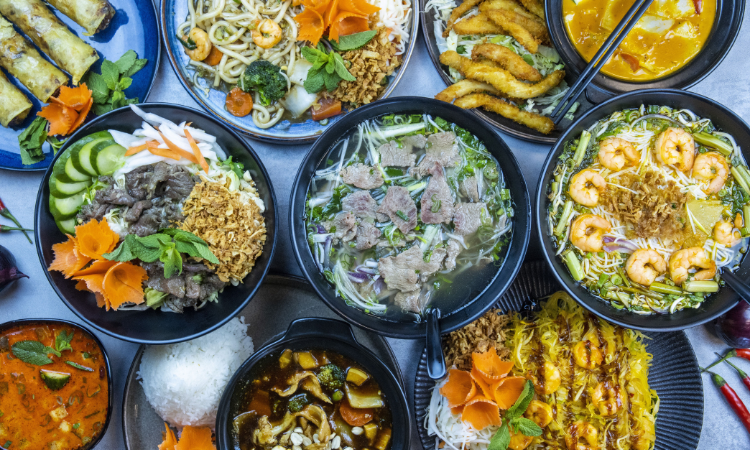
Introduction
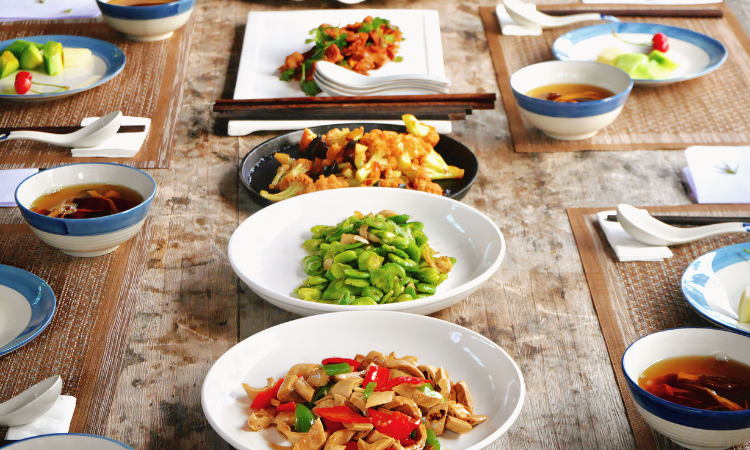
Chinese cuisine is one of the world’s oldest and most influential culinary traditions, celebrated for its incredible regional diversity, bold flavors, and centuries of cooking expertise. From the spicy dishes of Sichuan to the delicate dim sum of Guangdong and the comforting noodles of northern China, every region offers unique specialties shaped by local ingredients and cultural traditions.
While China is famous for its street food and bustling food markets, it also boasts elegant Michelin-starred restaurants, traditional teahouses, modern cafés, artisan bakeries, and vibrant dessert shops. Although cheese and wine play a smaller role than in many Western cuisines, China’s rapidly growing wine industry and innovative fusion restaurants are adding exciting new dimensions to its dining scene. Sweet pastries, mooncakes, egg tarts, and other regional desserts further showcase the country’s rich culinary heritage.
If you’re searching for the best Chinese food, this guide highlights ten must-try dishes that represent the heart of Chinese cooking. You’ll discover what makes each dish special, where to find the most authentic versions, typical prices, and the best occasions to enjoy them. Whether you’re planning a trip to China or simply exploring Chinese cuisine at home, this guide will help you experience some of the country’s most iconic and delicious foods.
Quick Answer Box
What is the best food in China?
The best food in China includes these iconic dishes:
- Peking Duck
- Xiaolongbao (Soup Dumplings)
- Kung Pao Chicken
- Mapo Tofu
- Hot Pot
- Char Siu
- Dim Sum
- Zhajiangmian
- Sweet and Sour Pork
- Lanzhou Beef Noodles
These dishes represent a variety of regional cuisines, from Beijing and Sichuan to Guangdong and Gansu, offering something for every taste.
Quick Comparison Table
| Food | Best For | Average Price | Where to Try | Meal Type |
| Peking Duck | First-time visitors | €25–€60 | Beijing | Lunch/Dinner |
| Xiaolongbao | Dumpling lovers | €5–€15 | Shanghai | Breakfast/Lunch |
| Kung Pao Chicken | Spicy food lovers | €8–€20 | Sichuan | Lunch/Dinner |
| Mapo Tofu | Vegetarian-friendly spicy dish | €6–€15 | Chengdu | Lunch/Dinner |
| Hot Pot | Groups and families | €20–€50 | Chongqing & Chengdu | Dinner |
| Char Siu | Cantonese cuisine | €8–€20 | Hong Kong & Guangdong | Lunch/Dinner |
| Dim Sum | Brunch and sharing | €10–€30 | Guangzhou & Hong Kong | Breakfast/Lunch |
| Zhajiangmian | Noodle lovers | €5–€12 | Beijing | Lunch |
| Sweet and Sour Pork | Families | €8–€20 | Guangdong | Lunch/Dinner |
| Lanzhou Beef Noodles | Quick local meal | €5–€10 | Lanzhou | Breakfast/Lunch |
BOOK A FLIGHT TO ANYWHERE IN CHINA HERE
BOOK A CAR IN CHINA TO GO TO ANY RESTAURANT HERE
The 10 Best Chinese Food
1. Peking Duck
Overview
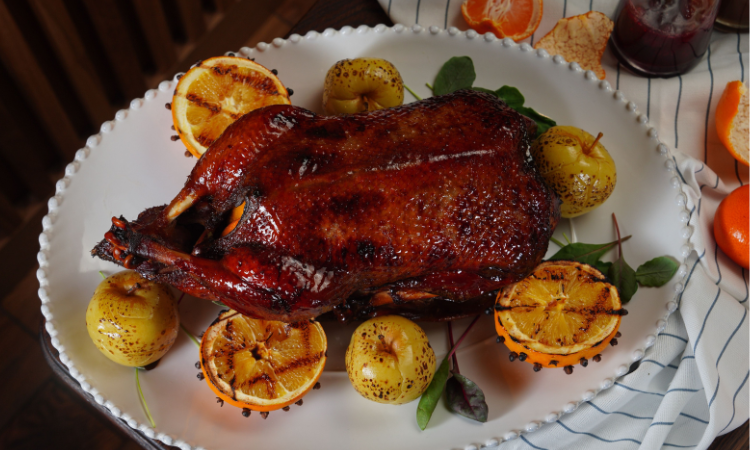
Peking Duck is one of China’s most iconic dishes and a symbol of Beijing’s culinary heritage. Famous for its crispy, golden skin and tender meat, the dish is traditionally roasted in a special oven before being carved tableside. It is served with thin pancakes, hoisin sauce, cucumber, and scallions, allowing diners to assemble each bite. The careful preparation and presentation make it a must-try for anyone exploring authentic Chinese cuisine.
Why You Should Try It
Peking Duck offers a perfect balance of crisp texture, juicy meat, and rich flavor. It showcases centuries of culinary tradition and is often considered the ultimate Chinese banquet dish.
Best Places to Eat It
Beijing is the best destination, particularly renowned roast duck restaurants with long-standing reputations. Many upscale restaurants in Shanghai and other major cities also serve excellent versions.
Average Price
€25–€60 per duck, depending on the restaurant.
Best Time to Eat It
Lunch or dinner, especially when sharing with family or friends.
Insider Tip
Reserve ahead at popular restaurants and enjoy the crispy skin first before wrapping the meat in pancakes for the traditional experience.
Pros
- Crispy skin and tender meat
- Rich culinary history
- Ideal for sharing
- Memorable dining experience
Cons
- More expensive than many local dishes
- Best enjoyed in a group
2. Xiaolongbao (Soup Dumplings)
Overview
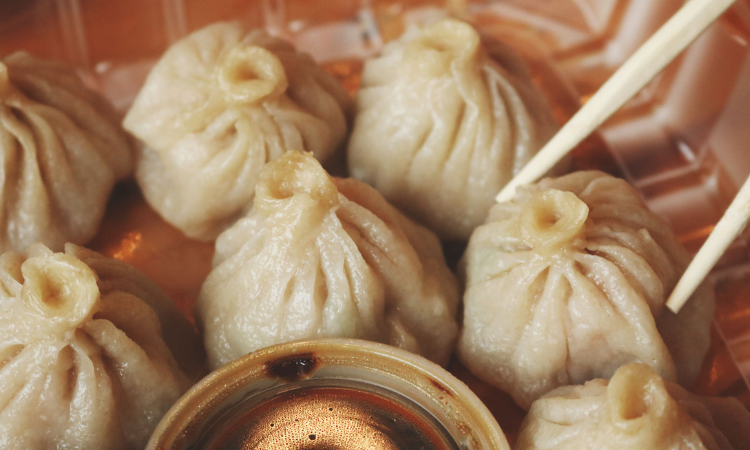
Xiaolongbao are delicate steamed soup dumplings originating from the Jiangnan region, particularly Shanghai. Each dumpling contains seasoned pork or seafood and a flavorful broth enclosed in a thin wrapper. They are handmade with precision, requiring skill to ensure the wrapper is thin enough to remain delicate while strong enough to hold the hot soup. Their combination of texture and flavor has made them one of China’s most beloved comfort foods.
Why You Should Try It
Xiaolongbao deliver a unique dining experience because every bite combines tender filling with rich, savory broth. They are a favorite among both locals and international visitors.
Best Places to Eat It
Shanghai is the best place to enjoy authentic Xiaolongbao, although many restaurants throughout China serve excellent versions.
Average Price
€5–€15 per basket.
Best Time to Eat It
Breakfast, brunch, or lunch.
Insider Tip
Carefully bite a small opening, sip the hot broth first, then enjoy the rest of the dumpling with black vinegar and fresh ginger.
Pros
- Delicious savory broth
- Affordable
- Light yet satisfying
- Perfect for sharing
Cons
- Served extremely hot
- Quality varies between restaurants
READ ALSO THE Best Food in Paris: 10 Must-Try Dishes Every Food Lover Should Experience
3. Kung Pao Chicken
Overview
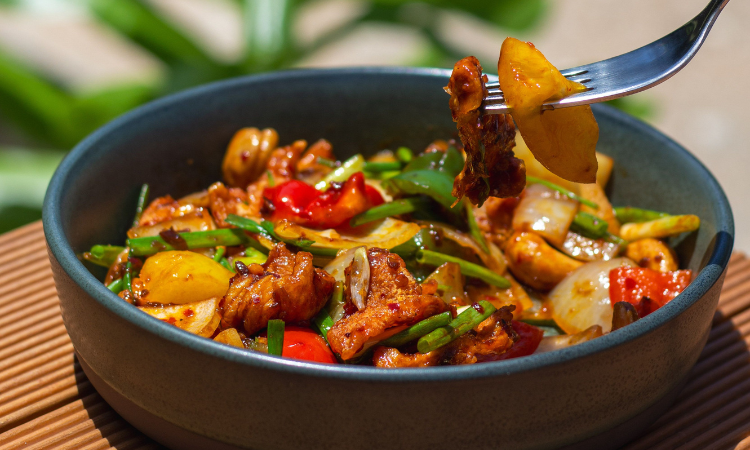
Kung Pao Chicken is one of the best-known dishes in Sichuan cuisine. Prepared with diced chicken, dried chilies, Sichuan peppercorns, peanuts, and vegetables, it delivers a bold combination of spicy, sweet, savory, and slightly numbing flavors. While many international versions exist, authentic Sichuan Kung Pao Chicken emphasizes balanced seasoning and the distinctive aroma of Sichuan peppercorns.
Why You Should Try It
This dish perfectly represents Sichuan cooking, combining contrasting flavors and textures in a single meal. It is flavorful without being overwhelmingly spicy when prepared traditionally.
Best Places to Eat It
Chengdu and other cities in Sichuan Province offer the most authentic versions, though quality Chinese restaurants across the country also serve it.
Average Price
€8–€20 per serving.
Best Time to Eat It
Lunch or dinner, typically served with steamed rice.
Insider Tip
Ask for the authentic Sichuan version if you enjoy bold flavors, as recipes outside China are often sweeter and milder.
Pros
- Rich, balanced flavors
- Widely available
- Excellent value
- Great introduction to Sichuan cuisine
Cons
- May be too spicy for some diners
- Authentic versions can differ significantly from international adaptations
READ ALSO THE Best Restaurants in Paris (top 10)
4. Mapo Tofu
Overview
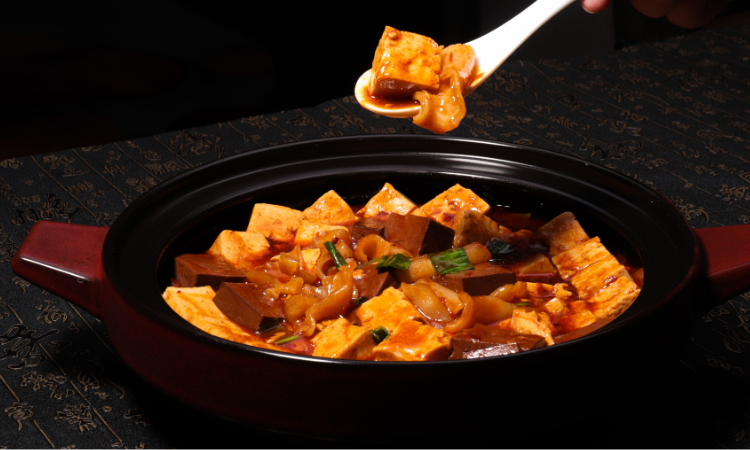
Mapo Tofu is one of the most famous dishes from Sichuan cuisine and a perfect example of China’s love for bold flavors. Made with soft tofu, minced meat, fermented bean paste, chili oil, and Sichuan peppercorns, the dish combines spicy, savory, and slightly numbing flavors. Its simple ingredients create a complex taste that has made it popular throughout China and worldwide.
Why You Should Try It
Mapo Tofu offers a unique introduction to authentic Sichuan cooking. The contrast between silky tofu, spicy sauce, and aromatic spices creates a memorable dining experience for adventurous food lovers.
Best Places to Eat It
The best versions can be found in Chengdu, the capital of Sichuan Province, where traditional recipes are still widely prepared. Many Sichuan restaurants in major Chinese cities also serve excellent versions.
Average Price
€6–€15 per serving.
Best Time to Eat It
Lunch or dinner, usually served with steamed rice to balance the spicy flavors.
Insider Tip
For the most authentic experience, request the Sichuan-style version with real Sichuan peppercorns rather than milder international adaptations.
Pros
- Rich and complex flavors
- Affordable and filling
- Excellent vegetarian option when prepared without meat
- Represents authentic Sichuan cuisine
Cons
- Can be very spicy
- Strong flavors may not suit everyone
5. Hot Pot
Overview
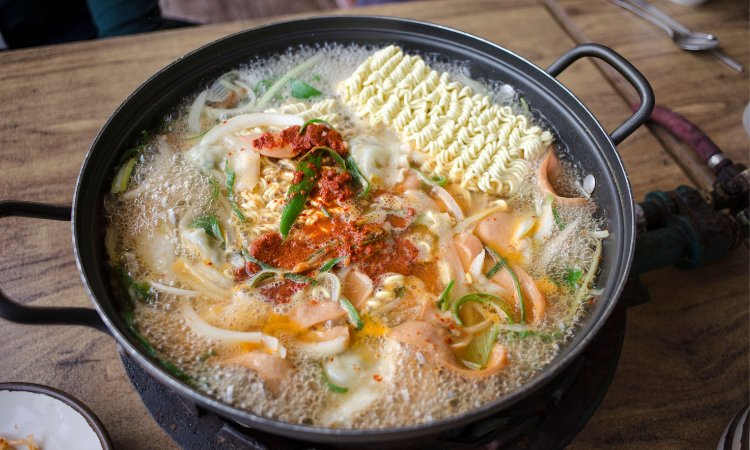
Hot Pot is one of China’s most social and interactive dining experiences. Instead of receiving a prepared meal, diners cook fresh ingredients such as meat, seafood, vegetables, tofu, and noodles in a shared pot of flavorful broth placed at the center of the table. Popular throughout China, hot pot varies by region, with Chongqing and Sichuan styles being famous for their spicy, aromatic broths.
Why You Should Try It
Hot Pot is more than a meal; it is a cultural experience built around sharing and conversation. It allows diners to customize their meal and discover different flavors at their own pace.
Best Places to Eat It
Chongqing and Chengdu are the best destinations for authentic spicy hot pot, while Beijing and Shanghai offer many excellent regional variations.
Average Price
€20–€50 per person.
Best Time to Eat It
Dinner is the most popular time, especially during colder months.
Insider Tip
Choose a split broth option if some guests prefer spicy flavors while others want a milder soup base.
Pros
- Fun group dining experience
- Highly customizable
- Great variety of ingredients
- Suitable for different budgets
Cons
- Can be spicy
- Less convenient for solo travelers
6. Char Siu
Overview
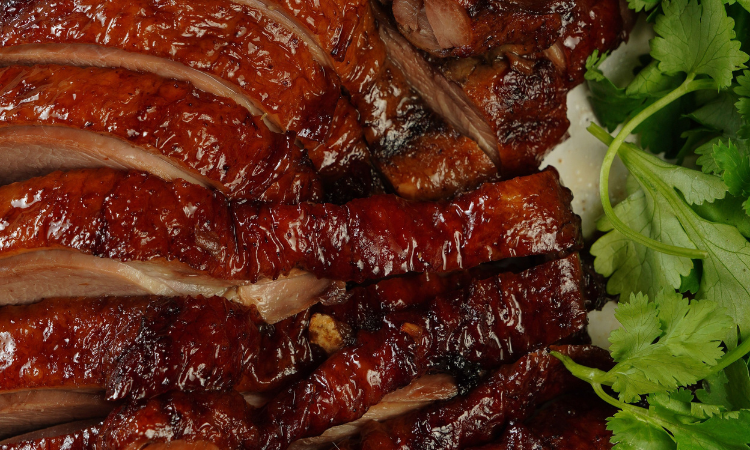
Char Siu is a classic Cantonese barbecue dish known for its sweet, savory flavor and distinctive red-glazed appearance. Made from marinated pork roasted until tender, it is often served sliced alongside rice, noodles, or included in Cantonese dishes such as barbecue pork buns. Its balance of caramelized edges, juicy meat, and aromatic seasoning makes it a favorite across southern China and Hong Kong.
Why You Should Try It
Char Siu showcases the precision of Cantonese cooking, where simple ingredients are transformed through careful marinating and roasting techniques. It is a must-try for lovers of barbecue-style dishes.
Best Places to Eat It
Hong Kong, Guangzhou, and Guangdong Province are famous for excellent Char Siu. Cantonese restaurants throughout China also offer quality versions.
Average Price
€8–€20 per serving.
Best Time to Eat It
Lunch or dinner, often paired with steamed rice or noodles.
Insider Tip
Look for restaurants displaying freshly roasted meat near the entrance, as this often indicates authentic Cantonese barbecue preparation.
Pros
- Sweet and savory flavor
- Tender texture
- Easy introduction to Cantonese cuisine
- Widely available
Cons
- Some versions can be too sweet
- Quality varies between restaurants
BOOK A FLIGHT TO ANYWHERE IN CHINA HERE
BOOK A CAR IN CHINA TO GO TO ANY RESTAURANT HERE
7. Dim Sum
Overview
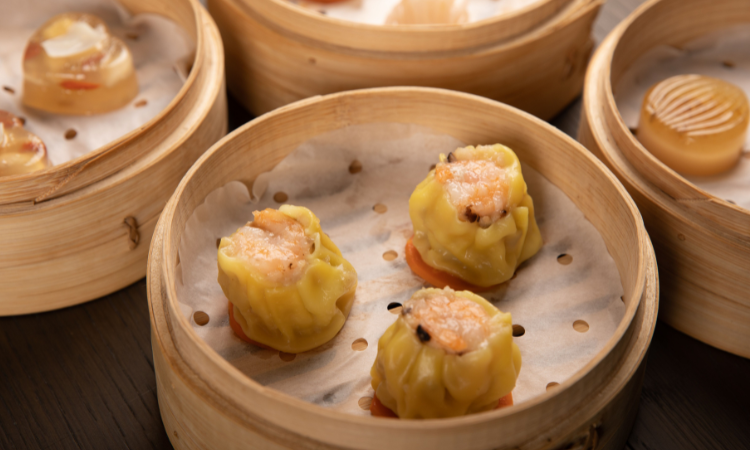
Dim Sum is one of the most beloved Chinese dining traditions, originating from Guangdong and especially popular in Hong Kong. It consists of a variety of small dishes served in bamboo steamers, including dumplings, buns, rolls, and sweet treats. Traditionally enjoyed with tea, Dim Sum is a social meal designed for sharing with family and friends.
Why You Should Try It
Dim Sum offers incredible variety in a single meal, allowing you to taste many different flavors and textures. From delicate shrimp dumplings to steamed barbecue pork buns, it provides a perfect introduction to Cantonese cuisine.
Best Places to Eat It
The best Dim Sum experiences can be found in Guangzhou, Hong Kong, and major Chinese cities with traditional Cantonese restaurants.
Average Price
€10–€30 per person.
Best Time to Eat It
Morning or lunchtime, when Dim Sum restaurants traditionally serve their freshest selections.
Insider Tip
Order a mix of steamed, fried, and sweet dishes to experience the full range of flavors. Pairing Dim Sum with Chinese tea is part of the tradition.
Pros
- Wide variety of dishes
- Great for sharing
- Suitable for different tastes
- Affordable dining experience
Cons
- Popular restaurants can be crowded
- Some dishes may be unfamiliar to first-time visitors
8. Zhajiangmian
Overview
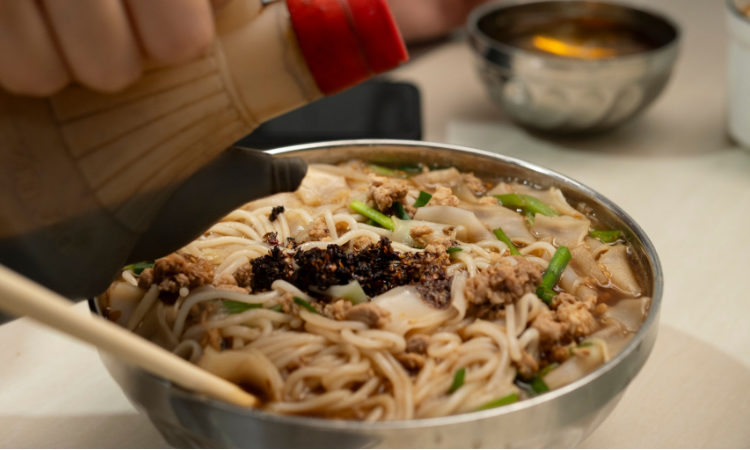
Zhajiangmian is a traditional Beijing noodle dish known for its rich fermented soybean paste sauce served over thick wheat noodles. Usually topped with vegetables such as cucumber, bean sprouts, and carrots, this comforting meal represents the simplicity and depth of northern Chinese cuisine. Its combination of chewy noodles and savory sauce makes it a favorite everyday dish among locals.
Why You Should Try It
Zhajiangmian offers an authentic taste of Beijing home-style cooking. Unlike many famous Chinese dishes, it focuses on simple ingredients transformed into a satisfying and flavorful meal.
Best Places to Eat It
Beijing is the best destination to try authentic Zhajiangmian, especially in traditional noodle restaurants and local eateries.
Average Price
€5–€12 per bowl.
Best Time to Eat It
Lunch is the most common time to enjoy this filling noodle dish.
Insider Tip
Mix the sauce and toppings thoroughly with the noodles before eating to balance the flavors in every bite.
Pros
- Affordable and filling
- Authentic northern Chinese flavor
- Simple but satisfying
- Easy to find in Beijing
Cons
- Strong fermented flavors may not suit everyone
- Less visually impressive than other Chinese dishes
9. Sweet and Sour Pork
Overview
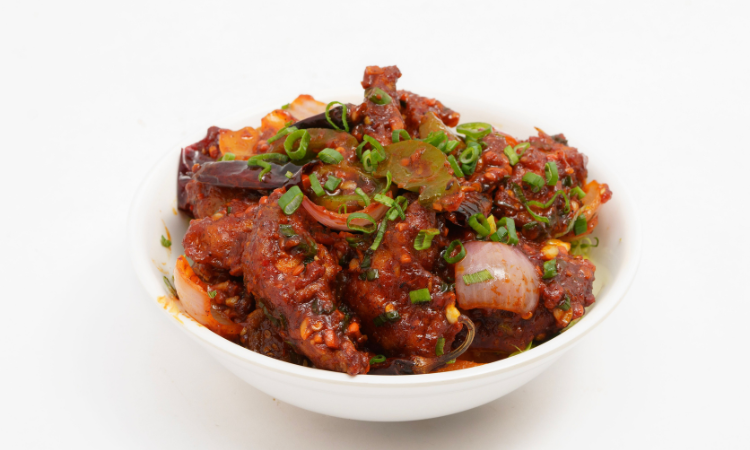
Sweet and Sour Pork is a famous Cantonese dish recognized worldwide for its colorful appearance and balanced combination of sweet, tangy, and savory flavors. Traditionally made with crispy pieces of pork coated in a sweet vinegar-based sauce with pineapple, peppers, and onions, it has become one of the most popular Chinese dishes internationally.
Why You Should Try It
This dish is an excellent choice for travelers new to Chinese cuisine because it combines familiar flavors with traditional Cantonese cooking techniques. The contrast between crispy pork and sweet sauce creates a memorable texture.
Best Places to Eat It
The best versions can be found in Guangdong Province, Hong Kong, and authentic Cantonese restaurants throughout China.
Average Price
€8–€20 per serving.
Best Time to Eat It
Lunch or dinner, usually enjoyed with steamed rice.
Insider Tip
Try the traditional Cantonese version rather than heavily sweetened Western adaptations for a more authentic experience.
Pros
- Familiar flavors for beginners
- Great balance of textures
- Popular with families
- Widely available
Cons
- Some versions can be overly sweet
- Less suitable for travelers seeking spicy dishes
10. Lanzhou Beef Noodles
Overview
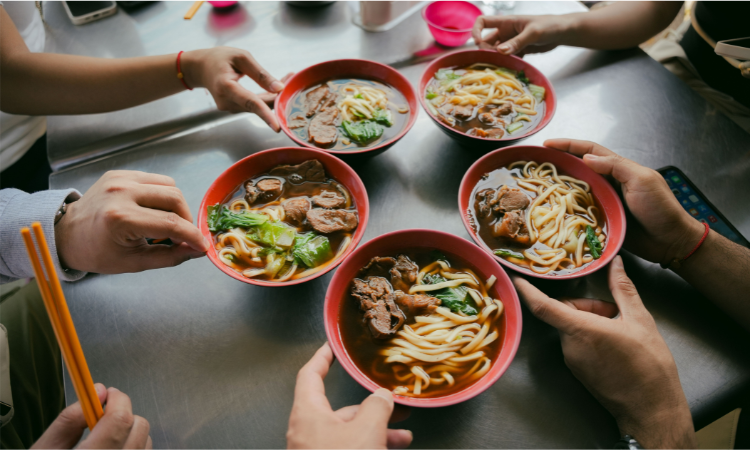
Lanzhou Beef Noodles, also known as Lanzhou Lamian, are among China’s most famous noodle dishes. Originating from Gansu Province, this dish features hand-pulled noodles served in a clear beef broth with tender beef slices, herbs, and chili oil. The skill required to stretch noodles by hand is an important part of the dining experience.
Why You Should Try It
Lanzhou Beef Noodles showcase the artistry and simplicity of Chinese noodle culture. The combination of fresh handmade noodles, flavorful broth, and aromatic toppings creates a comforting and affordable meal.
Best Places to Eat It
Lanzhou is the best place to experience authentic versions, but noodle shops throughout China serve excellent bowls.
Average Price
€5–€10 per bowl.
Best Time to Eat It
Breakfast or lunch, when many locals enjoy this hearty meal.
Insider Tip
Choose a noodle thickness you prefer, as many restaurants allow customers to select from thin, medium, or wide handmade noodles.
Pros
- Affordable and satisfying
- Fresh handmade noodles
- Rich cultural history
- Great for quick meals
Cons
- Simple presentation
- Broth flavors may seem mild for some visitors
Where to Eat the Best Chinese Food?
China offers one of the world’s most diverse food cultures, with every region offering unique flavors, cooking techniques, and dining traditions. To experience the best Chinese food, choose restaurants based on the type of meal you want.
Traditional Chinese Restaurants
What it’s known for: These restaurants serve classic dishes such as Peking Duck, Mapo Tofu, Dim Sum, and regional specialties from Sichuan, Cantonese, and Beijing cuisine.
Average Price: €15–€50 per person.
Best Neighborhoods: Beijing’s Dongcheng District, Shanghai’s French Concession, and Chengdu’s Jinjiang area.
Reservation Advice: Recommended for famous restaurants, especially during weekends and holidays.
Fine Dining Restaurants
What it’s known for: Modern Chinese cuisine, creative presentations, premium ingredients, and luxury dining experiences. Many combine traditional recipes with contemporary techniques.
Average Price: €80–€250+ per person.
Best Neighborhoods: Shanghai, Beijing, Guangzhou, and Shenzhen.
Reservation Advice: Book several weeks ahead for high-end restaurants.
Budget Restaurants
What it’s known for: Affordable local meals including noodles, dumplings, rice dishes, and quick regional specialties. These restaurants offer authentic flavors at low prices.
Average Price: €3–€12 per meal.
Best Neighborhoods: University districts, local markets, and residential areas.
Reservation Advice: Usually unnecessary; busy restaurants often indicate good quality.
Local Cafés and Tea Houses
What it’s known for: Traditional Chinese tea culture, snacks, pastries, and relaxing social spaces.
Average Price: €5–€20 per person.
Best Neighborhoods: Hangzhou, Chengdu, and historic areas of major cities.
Reservation Advice: Not usually needed.
Bakeries and Street Food
What it’s known for: Fresh buns, egg tarts, steamed snacks, skewers, and regional street specialties.
Average Price: €1–€8 per item.
Best Neighborhoods: Night markets and busy shopping streets.
Reservation Advice: Not required.
Best Food Markets in China
Food markets are one of the best ways to discover authentic Chinese cuisine. They allow visitors to taste local dishes, interact with vendors, and experience everyday food culture.
Popular markets include Beijing’s Wangfujing Snack Street, Shanghai’s traditional food streets, Chengdu’s Jinli Street, and Guangzhou’s Shangxiajiu Pedestrian Street.
Why Visit:
Markets offer affordable access to regional specialties, street snacks, fresh fruits, dumplings, noodles, and local desserts.
Best Foods to Buy:
Try grilled skewers, steamed buns, dumplings, noodles, spicy snacks, fresh seafood, and traditional sweets.
Budget Tips:
Carry small cash amounts, compare prices between stalls, and visit markets where locals eat rather than only tourist-focused areas.
How to Choose the Best Food Experience in China
First-time visitors: Start with famous dishes like Peking Duck, Dim Sum, and Lanzhou Beef Noodles to discover China’s diverse flavors.
Couples: Choose romantic fine-dining restaurants or traditional tea houses for a memorable experience.
Families: Restaurants offering shared dishes, hot pot, and Dim Sum are ideal because everyone can try different foods.
Solo travelers: Local noodle shops and street food markets provide affordable and authentic meals.
Luxury travelers: Explore Michelin-starred restaurants and modern Chinese dining experiences.
Budget travelers: Focus on markets, small restaurants, and local food streets.
Vegetarians: Many Chinese restaurants offer tofu dishes, vegetable dumplings, noodles, and Buddhist vegetarian cuisine.
Dessert lovers: Try egg tarts, sweet buns, mooncakes, and traditional Chinese pastries.
Street food enthusiasts: Explore night markets for grilled skewers, snacks, and regional specialties.
Essential Chinese Dining Tips
Enjoying the best Chinese food becomes easier when you understand local dining habits. Chinese meals are usually shared, with several dishes placed in the center of the table. Use serving chopsticks when provided, avoid sticking chopsticks vertically into rice, and allow the host or elders to start eating first during traditional meals.
Tipping is not common in China, and most restaurants do not expect extra payment. Some luxury hotels and international restaurants may include a service charge. Meal times are generally earlier, with lunch usually between 11:30 AM and 1:30 PM and dinner from around 5:30 PM to 8:30 PM.
Popular restaurants, especially famous Peking Duck restaurants, hot pot spots, and fine-dining venues, often require reservations. Travelers with food allergies should clearly explain their restrictions, as sauces may contain ingredients such as peanuts, seafood, or soy. Vegetarians can find many choices, including tofu dishes, vegetable dumplings, noodles, and Buddhist vegetarian cuisine.
Chinese tea is the best drink pairing for most meals, while local wines and traditional spirits can also be explored. To avoid tourist traps, choose restaurants busy with local customers, check recent reviews, and explore neighborhoods away from major attractions.
What Food Lovers Should Pack
Food travelers should pack smart items that make exploring China’s culinary scene more comfortable.
Comfortable walking shoes: Essential for visiting large markets, food streets, and restaurant districts.
Reusable water bottle: Helps you stay hydrated during long days of food exploration.
Portable charger: Useful for maps, translation apps, and taking food photos.
Travel adapter: Keeps your devices powered throughout your trip.
Small backpack: Ideal for carrying personal items while exploring markets.
Camera: Perfect for capturing colorful dishes, street food, and cultural experiences.
Shopping bag for markets: Handy for carrying tea, snacks, spices, and local food souvenirs.
FAQs: Best Chinese Food
What food is China famous for?
China is famous for its incredible variety of regional cuisines and iconic dishes such as Peking Duck, Dim Sum, Hot Pot, Mapo Tofu, Xiaolongbao, and Lanzhou Beef Noodles. Each region has unique flavors, from spicy Sichuan dishes to delicate Cantonese cuisine, making Chinese food one of the world’s most diverse culinary traditions.
What should I eat first in China?
First-time visitors should start with classic dishes that represent different regions, including Peking Duck in Beijing, Dim Sum in Guangdong, Hot Pot in Sichuan, and Xiaolongbao in Shanghai. These dishes offer a great introduction to China’s flavors, cooking techniques, and cultural dining traditions.
Is food expensive in China?
Food in China can fit almost any budget. Local restaurants, noodle shops, and street food stalls offer meals for as little as €2–€10, while luxury restaurants and fine-dining experiences can cost much more. Travelers can enjoy authentic Chinese cuisine without spending a lot by choosing local establishments.
Which dessert should I try in China?
Popular Chinese desserts include egg tarts, mooncakes, sweet rice cakes, sesame balls, and red bean pastries. Egg tarts are especially popular among visitors because of their buttery crust and creamy filling. Traditional Chinese desserts often use ingredients such as beans, rice, fruits, and nuts.
Where do locals eat?
Locals usually eat at neighborhood restaurants, family-run eateries, food markets, and small noodle shops rather than only famous tourist restaurants. Busy restaurants filled with local customers are often a good sign of quality, affordability, and authentic flavors.
Which food markets are the best?
Some of the best food markets in China include Beijing’s Wangfujing Snack Street, Chengdu’s Jinli Street, Guangzhou’s Shangxiajiu area, and Shanghai’s traditional food streets. These markets offer regional specialties, street snacks, fresh ingredients, and an opportunity to experience everyday Chinese food culture.
What street food should I try?
China’s best street foods include grilled skewers, Jianbing (savory breakfast pancakes), dumplings, steamed buns, spicy noodles, and fried snacks. Street food is an affordable way to discover local flavors and regional specialties while exploring cities, markets, and busy neighborhoods.
Is China vegetarian-friendly?
Yes, China is increasingly vegetarian-friendly, especially in major cities. Travelers can enjoy tofu dishes, vegetable dumplings, Buddhist vegetarian cuisine, noodle dishes, and stir-fried vegetables. However, it is important to communicate dietary preferences clearly because some sauces and broths may contain meat or seafood ingredients.
What restaurants are worth visiting?
Worthwhile restaurants in China range from traditional regional restaurants to modern fine-dining venues. Visitors should look for famous Peking Duck restaurants in Beijing, Dim Sum restaurants in Guangzhou, Hot Pot restaurants in Chengdu, and local family-run eateries for authentic experiences.
Do I need reservations?
Reservations are recommended for popular restaurants, especially Michelin-starred venues, famous Peking Duck restaurants, and high-end dining experiences. For small local restaurants, noodle shops, and street food stalls, reservations are usually unnecessary. Visiting during busy periods may require extra planning.
What pastries should I try?
Chinese pastries worth trying include egg tarts, pineapple buns, mooncakes, sesame pastries, and sweet bean-filled buns. Many bakeries across China combine traditional flavors with modern techniques, offering affordable snacks that are perfect for breakfast or afternoon treats.
Which neighborhoods have the best restaurants?
The best restaurant areas vary by city. Beijing’s Dongcheng District, Shanghai’s French Concession, Chengdu’s Jinjiang area, and Guangzhou’s old neighborhoods are known for excellent dining options. These areas offer everything from traditional restaurants and street food to modern culinary experiences.
What food souvenirs should I buy?
Popular Chinese food souvenirs include tea, dried fruits, spices, chili sauces, mooncakes, preserved snacks, and regional specialties. Tea from places like Hangzhou and Fujian is especially popular. Always check packaging rules when bringing food products back to your home country.
Is tipping expected in China?
Tipping is generally not expected in China, especially at local restaurants. Most customers simply pay the listed price. However, some luxury hotels, international restaurants, or guided food experiences may include service charges or accept optional tips.
What is the best budget meal in China?
Some of the best budget meals in China include Lanzhou Beef Noodles, dumplings, rice bowls, steamed buns, and street food snacks. These meals are affordable, filling, and widely available, allowing travelers to enjoy authentic Chinese flavors without spending much money.
Conclusion: Discover China Through Its Cuisine
China’s culinary diversity makes it one of the world’s most exciting destinations for food lovers. The best overall dish depends on personal taste, but Peking Duck remains an essential experience for first-time visitors because of its history, preparation, and unique flavor. For breakfast, Dim Sum and Lanzhou Beef Noodles offer delicious ways to start the day with authentic local traditions.
For dessert lovers, egg tarts, mooncakes, and traditional pastries provide a sweet introduction to Chinese flavors. Street food enthusiasts should explore night markets for grilled skewers, dumplings, and regional snacks, while luxury travelers can enjoy exceptional fine-dining restaurants that showcase modern Chinese cuisine.
Budget travelers will find incredible value in local noodle shops, markets, and small family restaurants where authentic meals are affordable and memorable. To experience China’s food culture fully, explore different regions, try local specialties, and step beyond tourist areas. Planning your culinary journey in advance will help you discover the traditions, flavors, and stories behind the best Chinese food.